
How Custom Rigid Packaging Elevates Brand & Customer Trust
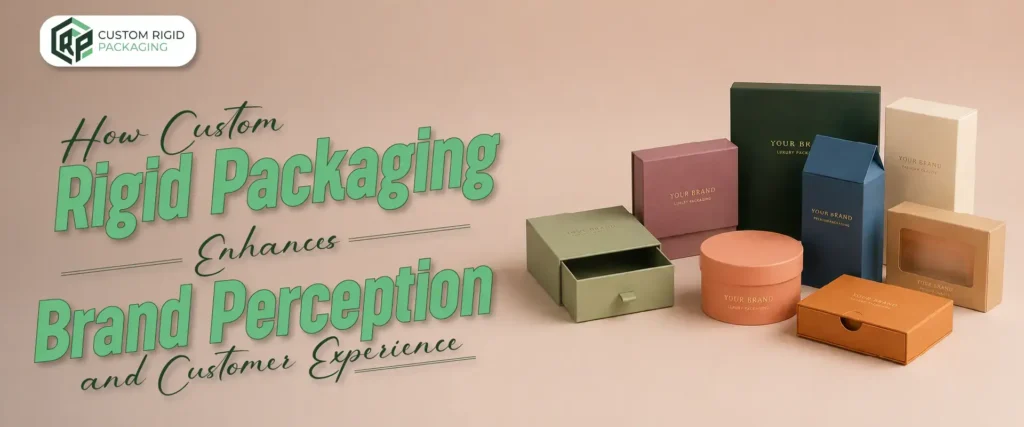
The box always speaks first. A customer sees it before they see the product inside. That box tells a story. It says who you are as a brand. This is where brand packaging becomes powerful. Packaging has become more than protection. It’s the first handshake a brand offers to the customers. The one that builds trust and shapes the entire experience. Custom rigid packaging takes this even further.
It’s premium. It feels expensive in hand. Brands are catching on. Luxury skincare. Tech gadgets. Gift sets. All are switching to rigid boxes. Why? Because packaging shapes perception. And perception shapes buying decisions. In this blog, we’ll break down exactly how custom rigid packaging builds brand value. And how it creates a premium unboxing experience customers remember.
Why Customers Judge Quality Before They Even Open The Box
Packaging is usually the first thing making that impression before the product even comes into view. The weight of the box. The smooth edges. The clean finish. All of these small details add up to one quiet verdict: this brand pays attention to detail.
Flimsy packaging sends the opposite message. It makes even a great product feel cheap, and customers sense it the moment they touch it, sometimes before they’ve opened the box at all. This is exactly why premium and DTC brands are shifting their brand packaging strategy toward rigid formats. It’s not just about looks, it’s about the value customers assume before they experience the product itself.
Durability & Protection Build Trust
A crushed corner or a dented lid doesn’t just look bad. It makes people question whether the product inside was handled with the same carelessness. Custom collapsible rigid boxes hold up better under pressure, literally. Most are built from paperboard that’s 2–3mm thick or more, wrapped around a solid core, which gives them far more resistance to crushing and impact than a standard folding carton. That’s not a marketing claim, it’s why industries like electronics and cosmetics, where a dented box can mean a returned product, lean on rigid packaging for anything shipped direct to the consumer.
What this builds over time is quiet trust. A customer orders five times. Nothing ever arrives damaged. Over time, they start associating that brand with reliability. That kind of trust doesn’t come from a tagline. It comes from consistently up the same way, order after order. In crowded categories, products often look alike. What sets a brand apart is consistency. That’s often the real reason customers keep coming back.
Sustainability Without Sacrificing Premium Feel
The real shift isn’t in how the box looks. It’s in what happens to the box after the customer is done with it. A regular rigid box usually gets thrown away. It’s too specific in shape to reuse, and not made to be recycled easily. That’s the actual problem, not the material itself, but the box’s life after delivery.
Here’s What Smarter Packaging Does Differently:
- It gets reused. Sturdy enough that customers keep it for storage or gifting instead of tossing it.
- It recycles easily. No glued-in plastic or mixed materials that make recycling harder.
- It costs the planet less to produce. Lower-impact materials, no need for plastic-heavy parts.
- It looks and feels the same. Customers can’t tell the “eco” version from the regular one, so nothing feels like a downgrade.
Here’s the real point, sustainability only becomes an advantage when customers don’t have to choose. They shouldn’t have to pick between “premium” and “responsible.” A box that performs well, looks expensive, and is easy to recycle does all of it at once. No trade-off. No compromise. The customer doesn’t even notice it happening. They just trust the brand a little more, without knowing exactly why.
Why The Investment Pays Off
Custom magnetic rigid boxes cost more upfront. That’s usually where brands hesitate. A folding carton costs less. Sometimes a lot less. For a business watching margins, that gap is hard to ignore.
But the math changes when you look past the unit cost. A customer who enjoys unboxing feels more than satisfied. They’re more likely to order again. Leave a good review. Tell someone else, without even being asked. None of that shows up on a packaging invoice, but it shows up in repeat purchase rates and referral traffic over time.
Here’s Where The Real Return Comes From
- Fewer damaged shipments mean fewer refunds and replacements, a cost most brands don’t track back to packaging.
- Higher perceived value can support a higher price. Even without changing the product itself.
- Organic social sharing reduces how much a brand needs to spend on paid ads to reach new customers.
- Repeat customers cost less to retain than new customers cost to acquire — and packaging is one of the few things influencing both.
None of these show results overnight. But over a year of orders, the difference between a forgettable box and a memorable one adds up, not in one big number, but in dozens of small decisions customers make because of how the brand made them feel on delivery day.
Conclusion
Custom Rigid Packaging is more than a box. It’s proof that a brand thought about the small things, not just the big ones. That’s what customers remember. Every section in this post points to the same idea. Perception, trust, sharing, identity, sustainability, none of it happens by accident. It happens because a brand chose to invest in how the unboxing feels, not just what’s inside the box. This is the real power of thoughtful brand packaging. It doesn’t just protect a product. It shapes how customers judge quality.
It affects whether they share their experience. It builds trust, even before they’ve used what they bought. That choice adds up. One good delivery builds a little trust. Repeated over hundreds or thousands of orders, that trust becomes a reputation. The kind that keeps customers coming back, and brings new ones in without a single ad. In the end, packaging isn’t the finishing touch. It’s the first impression, the marketing, and the promise, all wrapped into one.